 Wasim Aftab
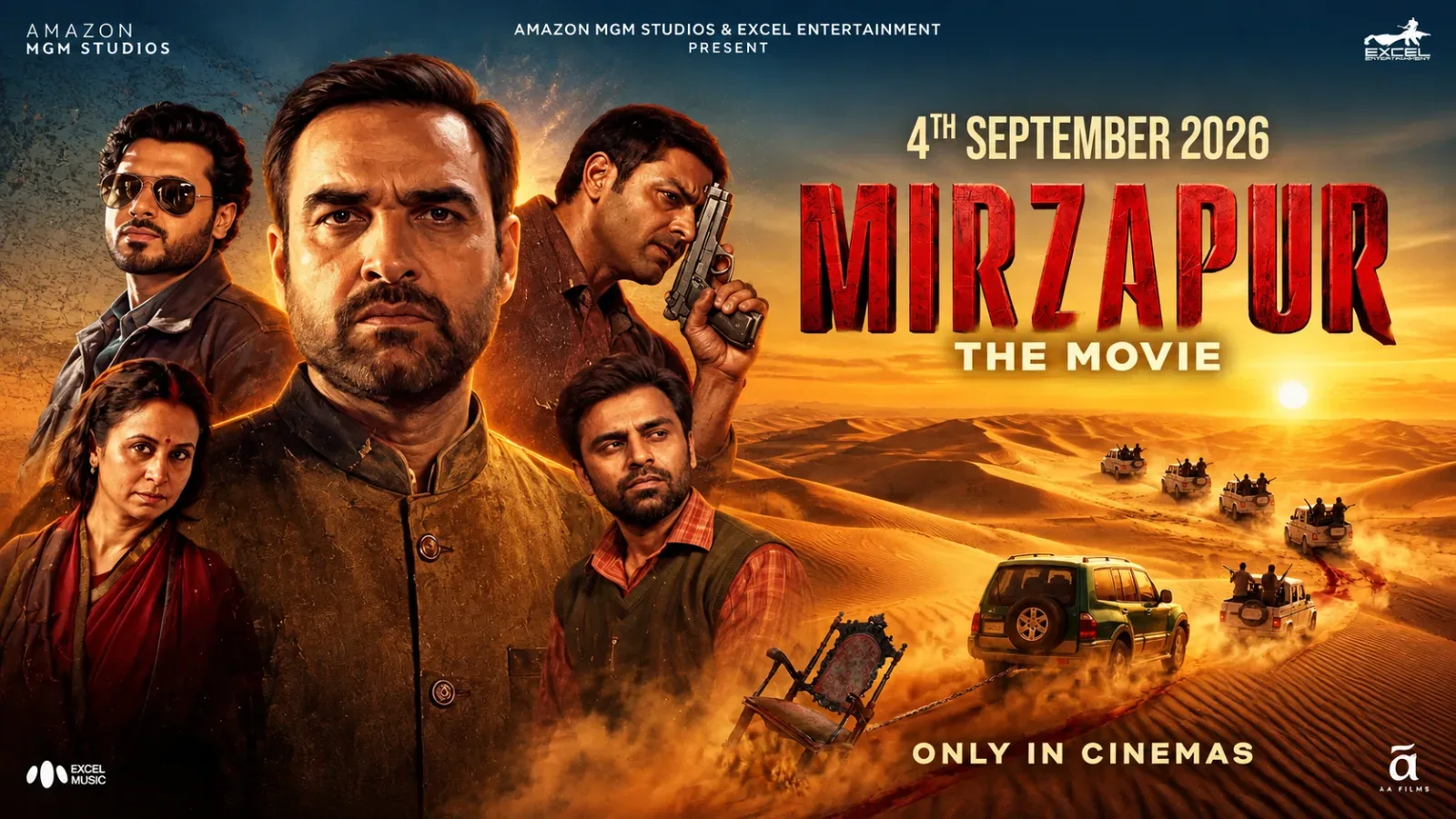
There are very few Indian crime series that have created the kind of cultural impact Mirzapur has. From its first season, the Prime Video series built its identity around violence, revenge, power and the brutal politics of the Purvanchal region. What makes the show work is not simply the bloodshed or the shocking moments, but the way its characters are constantly pushed into difficult choices where morality rarely survives.
At the centre of the story is Kaleen Bhaiya, played with intimidating authority by Pankaj Tripathi. He is not the typical loud gangster who needs to constantly prove that he is dangerous. His calm presence, measured dialogue and ability to control people around him make him one of the show's most memorable characters. Tripathi gives the character a sense of restraint that makes Kaleen Bhaiya even more threatening.
Ali Fazal's Guddu Pandit provides a very different kind of energy. Guddu is driven by ambition, anger and revenge, and watching his transformation is one of the show's strongest elements. Fazal brings physical intensity to the role, but there is also a vulnerable side to Guddu that prevents him from becoming just another one-dimensional gangster. His journey from an ambitious young man to someone consumed by power gives the series much of its emotional weight.
Then there is Divyenndu's Munna Tripathi, whose unpredictable behaviour adds another layer of chaos. Munna is violent, impulsive and desperate for recognition, and Divyenndu plays that instability extremely well. His scenes often carry an uncomfortable mixture of humour and menace, which has become an important part of Mirzapur's identity.
The show's supporting characters are equally important. Whether it is Golu, Beena Tripathi, Sharad or the various political and criminal figures surrounding the main characters, Mirzapur understands that power never belongs to one person for long. Alliances change, loyalties collapse and almost every character has an agenda.
Where the series occasionally struggles is with its dependence on extreme violence and increasingly complicated power struggles. At times, the shock value can overshadow the emotional consequences of what is happening. Some storylines also take longer than necessary to reach their payoff. The writing can be uneven, particularly when the series expands its world and introduces more players.
Still, the atmosphere remains one of the show's biggest strengths. Mirzapur has a distinct sense of place, and its world feels rough, dangerous and unpredictable. The dialogue, performances and dark humour give it a personality that separates it from many other Indian crime dramas.
Ultimately, Mirzapur works because its characters are bigger than the violence surrounding them. It is a story about ambition, revenge and the obsession with power, where winning rarely means finding peace. The performances, particularly from Pankaj Tripathi, Ali Fazal and Divyenndu, keep the series engaging even when the storytelling becomes excessive.