 Wasim Aftab
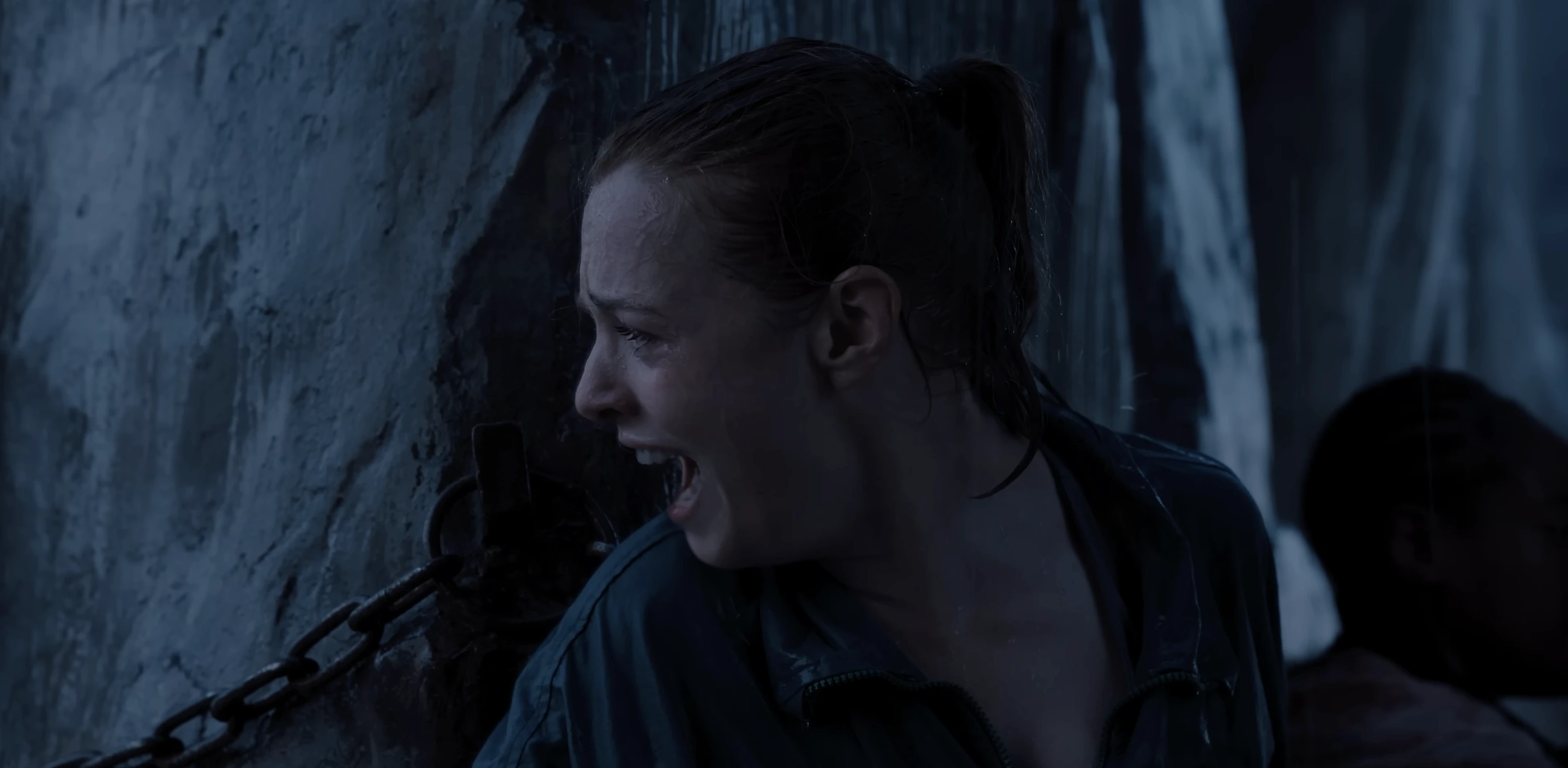
Fall 2: Deadpoint understands exactly what audiences expect from a sequel to 2022’s Fall: terrifying heights, impossible choices and the constant feeling that one small mistake could end everything. Directors Peter and Michael Spierig deliver all three, turning a remote mountain trail into the setting for an intense and visually spectacular survival thriller.
Written by Scott Mann and Jonathan Frank, the film expands the original concept without simply repeating it. The danger feels larger, the landscape is more unpredictable and the emotional stakes give the spectacle a stronger human foundation.
A dangerous journey begins
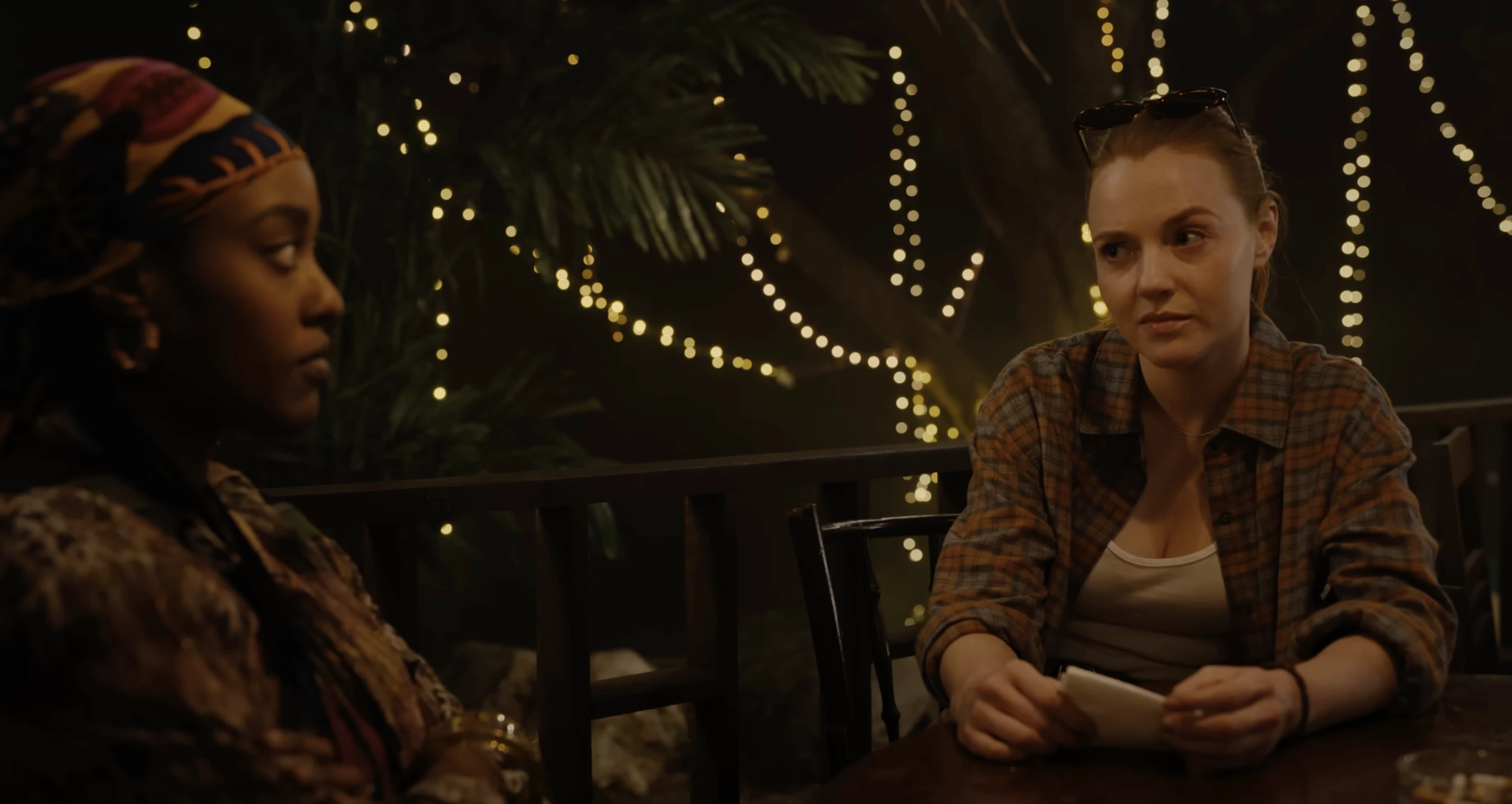
The story follows Jax Hunter, played by Harriet Slater, who is struggling with grief after the death of her sister. Luce, portrayed by Arsema Thomas, encourages her to honour her sister’s memory by attempting an extreme plank walk on Mount Kwan in Thailand.
What begins as a deeply personal adventure soon becomes a fight for survival. A sudden disaster leaves the climbers stranded thousands of feet above the ground, surrounded by unstable rock, exposed pathways and almost no chance of receiving immediate help.
 From this point, the film becomes increasingly tense. Every movement matters. A loose plank, a damaged rope or a moment of panic can turn an already dangerous situation into a fatal one. Rain, exhaustion, hunger and the psychological effects of extreme exposure gradually make the situation worse.
The screenplay wisely keeps the central conflict simple. These characters are trapped, their resources are limited and they must decide how far they are willing to go to survive. However, the film also finds room to explore grief, guilt, trust and the instinct to keep living when hope appears to have disappeared.
Brilliant direction from the Spierig brothers
Peter and Michael Spierig, known for films including Jigsaw and Daybreakers, are excellent choices for this material. Their direction is controlled, energetic and remarkably effective at creating physical anxiety.
They understand that the fear in Fall 2: Deadpoint does not come only from showing the distance to the ground. It comes from anticipation. The camera pauses on weakened wood, trembling hands and uncertain footholds, allowing viewers to recognise a danger before the characters fully confront it.
The directors also use the Thai mountain setting brilliantly. Wide shots reveal the beauty of the landscape, but that beauty quickly becomes threatening. There is nowhere to hide and very little solid ground. The open sky creates an unsettling sense of isolation, while the narrow pathways make even the simplest action feel dangerous.
Andrew Strahorn’s cinematography plays a major part in creating that experience. Sweeping aerial images establish the enormous scale of the location, while tighter shots bring the audience uncomfortably close to the characters. The result is a film that can make viewers feel dizzy without relying entirely on rapid editing or exaggerated visual effects.
Strong performances carry the tension
Harriet Slater gives Jax a convincing mixture of vulnerability and determination. Her grief is not treated merely as background information; it influences her decisions and explains why she agrees to undertake such a dangerous challenge. As the situation becomes more desperate, Slater communicates fear without allowing the character to become passive.
Arsema Thomas is equally impressive as Luce. She brings confidence and energy to the role, but she also reveals the emotional pressure beneath the character’s adventurous personality. The relationship between Jax and Luce gives the film its heart. Their friendship is tested by exhaustion, fear and difficult revelations, making their struggle feel personal rather than purely physical.
Tom Brittney provides strong support and adds another layer to the group dynamic. The cast reportedly filmed portions of the production on elevated sets, helping the physical strain and nervous energy feel more authentic. The actors’ reactions rarely appear disconnected from the danger around them.
Music and sound that intensify every moment
Tim Despic, who also composed the music for the first Fall, returns with a score that supports the tension without overpowering it. The music is used carefully, building pressure as the characters move deeper into danger and becoming more emotional during the quieter scenes.
The sound design is even more important. Cracking wood, falling stones, tightening ropes and sudden gusts of wind often create more fear than the dialogue. At several points, the absence of music allows the sounds of breathing and movement to dominate. These small details make the height feel real and keep the audience alert.
When the score does rise, it works with the visuals to give the major survival sequences genuine cinematic force. This is a film designed for the big screen, where its sound and scale can have their full effect.
More than a repetition of the first film
The original Fall became a surprise success by taking a straightforward premise and executing it with confidence. It earned approximately $21.8 million worldwide against a reported production budget of around $3 million before finding a larger audience through streaming.
Deadpoint retains the simplicity that made the first film effective, but changes the environment and introduces new characters with a different emotional history. The mountain pathways offer more possibilities than the single tower used in the original, allowing the filmmakers to create several kinds of danger rather than repeatedly returning to the same obstacle.
Some developments require the audience to accept the exaggerated logic of a survival thriller, and a few twists push credibility. Yet the direction is so confident, and the central performances so committed, that these moments rarely weaken the experience.