 Jaden Thomas
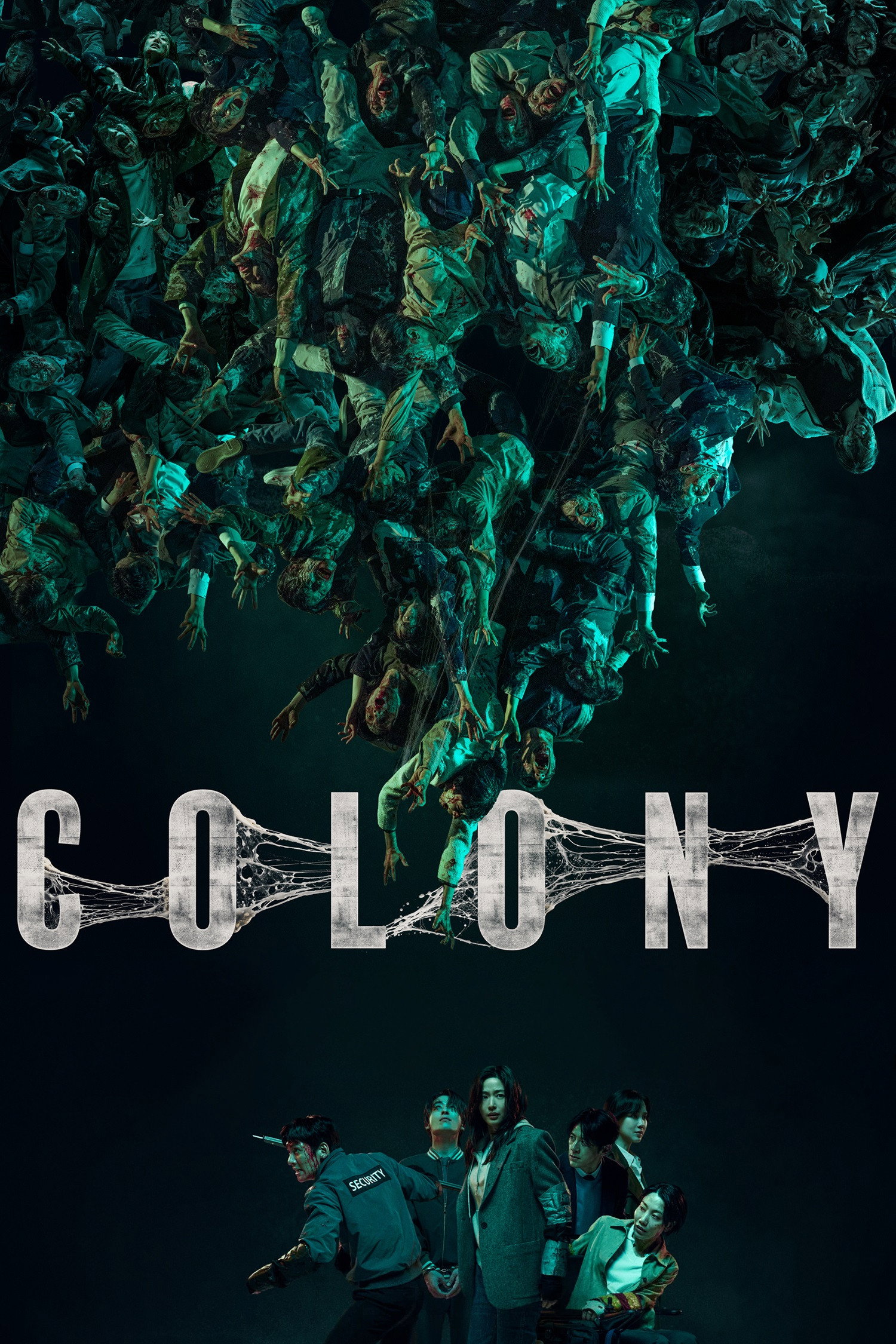
After garnering acclaim at CANNES with its ambitious and unique premise, Colony debuts on the big screen as a Korean sci-fi thriller that clearly has something to say. Set against a haunting vision of a fractured future, the film follows ordinary, mundane people who get caught up in a society where survival, power and human connection are constantly going head-to-head. What initially appears to be a dystopian horror film gradually becomes something more personal, exploring the consequences of isolation, the lengths people will go to survive, and what remains of humanity when society itself begins to crumble at the weight of their own decisions.
Colony is an incredibly atmospheric experience. The film's production design immediately stands out, creating a world that feels bleak and extremely uncomfortable without constantly relying on spectacle or green screens to fill up the majority of the space. Its environments are filled with tiny details that amp up the setting, while the cinematography makes excellent use of shadows and wide composition to show the audience just how insignificant these characters are within this enormous world. There is a constant feeling of emptiness surrounding the film, and that works remarkably well with its themes.

The performances are another major strength. Rather than turning its characters into typical sci-fi one-dimensional pieces, the cast gives them a grounded quality that makes their decisions feel understandable, even though they are unlikeable at times. This becomes particularly effective when the film leans into its horror and zombie elements, with the performances selling the genuine fear and desperation of being surrounded by an increasingly unpredictable threat that constantly evolves. The infected aren't simply treated as mindless obstacles either, however, their presence creates a constant sense of unease and disgust. The emotional weight comes from the quieter interactions rather than the larger dramatic moments, particularly when the characters are forced to choose between their own survival or saving the lives of others around them. The chemistry between the central characters is convincing, although some of the supporting characters feel underdeveloped and could have benefited from more screen time to properly flesh out their own arcs as well as their dynamics with other characters.

However, Colony isn't without its flaws. While the science fiction, horror and zombie elements makes for an intriguing premise, the film doesn't know how to balance them properly. Some of the horror sequences feel predictable and repetitive, and the zombie threat occasionally loses its impact because the film spends so much time focusing on its larger themes and character drama. The pacing is also inconsistent, with certain sections feeling slower than they need to be, while other developments are rushed and at times nonsensical. The screenplay prioritizes establishing this atmospheric world more than actually exploring the characters within it, making a few emotional moments feel less powerful. It's a film with plenty of ambition, but not every idea receives the attention or payoff it deserves or aimed to achieve.
All in all, Colony is a stellar Korean sci-fi film that constantly entertains, yet falls short of greatness. Its atmosphere, performances and other technical aspects are strong, but uneven pacing and an occasionally underdeveloped screenplay prevent it from reaching its full potential.